
Your front door does more than welcome guests. It plays a major role in protecting your home, your family, and everything inside. Despite that, many homeowners rarely think about their front door’s condition until something goes wrong.
Over time, wear and tear, outdated materials, and aging hardware can weaken your door without obvious signs. What looks fine on the surface may not offer the level of security you expect. Understanding what to look for can help you catch issues early and decide when it’s time to upgrade your front door for better protection and peace of mind.
Why Your Front Door Plays a Critical Role in Home Security
Your front door is one of the most common entry points into your home, which makes it a key part of your overall security. It serves as both a physical barrier and a first line of defense against unwanted access.
A strong door does more than just lock. It works together with the frame, hinges, and hardware to create a secure entry system. If any part of that system is weak, the entire door becomes more vulnerable.
It also plays a role in deterrence. A solid, well-maintained door signals that your home is protected, which can discourage potential intruders from targeting it in the first place. When your front door is sturdy, properly fitted, and equipped with reliable locks, it adds an extra layer of confidence that your home is secure.
Common Signs Your Front Door Isn’t Secure
Not all security issues are obvious. In many cases, your front door may show small signs of wear that point to bigger problems over time.
- Cracks, warping, or visible damage in the door
- Loose hinges or a frame that feels unstable
- Locks that feel weak, outdated, or difficult to use
- Hollow or lightweight door materials that lack strength
- Gaps around the edges that affect how the door seals
- Trouble closing, latching, or locking the door properly
Even one of these issues can reduce the effectiveness of your front door. If you notice multiple signs, it may be time to consider a repair or a full upgrade to improve your home’s security.
How Outdated Doors Put Your Home at Risk
Even if your front door still functions, age alone can make it less secure than you think. Materials weaken over time, hardware wears down, and older designs simply don’t offer the same level of protection as newer options.
Many older doors were not built with today’s security standards in mind. Locks may be easier to bypass, and frames may not provide the reinforcement needed to withstand force. What once worked well can become a weak point without you realizing it.
Outdated doors can also show subtle signs of decline, like poor sealing or slight shifting in the frame. These issues may seem minor, but they often indicate that the door is no longer as strong or reliable as it should be. As these problems build over time, your front door becomes more vulnerable. Upgrading to a modern, properly installed door can help eliminate those risks and give you a stronger, more secure entry point.
What to Look for in a Secure Front Door Upgrade
When it’s time to upgrade your front door, security should be a top priority. Not all doors are built the same, so choosing the right features can make a big difference in how well your home is protected.
Start with the material. Steel and fiberglass doors offer strong durability and resistance to force, while solid wood can provide both strength and a classic look when properly constructed. Next, consider the frame and hardware. A secure front door relies on more than just the door itself. Reinforced frames, heavy-duty hinges, and high-quality locks all work together to create a stronger system.
Modern locking options can also improve security. Multi-point locking systems, for example, secure the door at multiple locations instead of just one, making it harder to force open. Finally, proper installation matters. Even the best front door won’t perform well if it isn’t installed correctly. A tight fit, proper alignment, and secure mounting ensure your door functions as intended and provides the protection your home needs.
Repair vs Replacement: When an Upgrade Makes More Sense
Not every issue with your front door requires a full replacement. In some cases, simple repairs can restore function and improve security. Tightening hinges, replacing worn locks, or adjusting alignment can often fix minor problems.
However, there are situations where repairs only provide a temporary solution. If your front door has structural damage, significant warping, or ongoing issues with closing and locking, replacement is usually the better long-term option. Older doors with outdated materials or weak cores also fall into this category.
Cost can play a role in the decision, but it’s important to think beyond short-term savings. Repeated repairs can add up, while a new door provides lasting performance, improved security, and better overall value.
If you’re unsure which option makes sense, a professional evaluation can help. In many cases, upgrading your front door not only improves safety but also adds reliability and peace of mind for years to come.
Strengthen Your Home with a More Secure Front Door
Your front door plays a bigger role in your home’s safety than many people realize. Small issues can turn into larger vulnerabilities over time, especially as materials wear down and security standards evolve. Taking a closer look at your door now can help you avoid problems later and ensure your home stays protected.
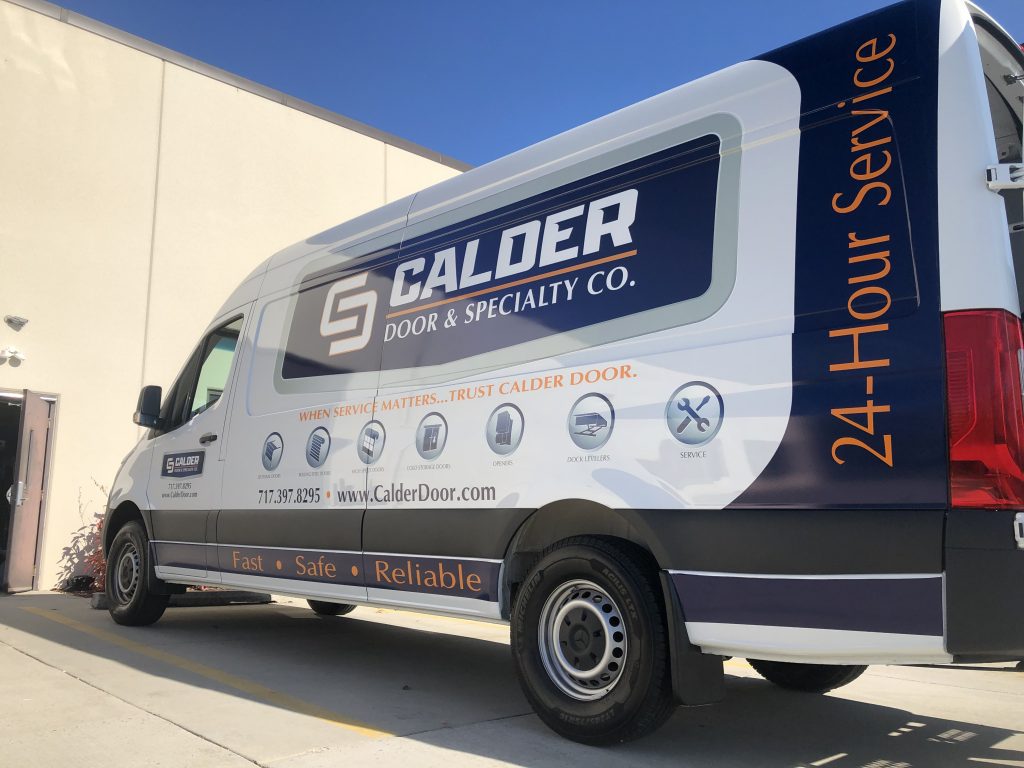
If you’ve noticed signs of wear or want to improve your home’s security, Calder Door can help. From repairs to full front door upgrades, their team can recommend the right solution for your home. Reach out today to schedule an evaluation and take the next step toward a safer, more secure entryway.